Wednesday, December 19, 2018

5 Things You Didn't Know Were Hiding in Your Bedding

5 Things You Didn't Know Were Hiding in Your Bedding


By Annie Pryatel

Your bedding and linens may be fluffy and cozy, but there may be some not-so-nice things hiding in them that require an eco-friendly clean.

Last year, we learned that many of you don’t regularly change your bed sheets in our American Laundry Habits Survey. 17% of men and 7% of women say they never wash their guest sheets. When it came to washing bedding, around 7% of men said they only wash their sheets every six months and 10% of men said they couldn’t remember the last time they did it.
Your beds and linens are full of (bad) surprises that could be affecting your skin, allergies, and sleeping habits. 

Why is getting your bedding and linens cleaned by a professional so important? There are five main reasons why you should refresh your bedroom.

Your bedding and linens can be full of dust mites.
1. Dust Mites: Dust mites are microscopic bugs that feed off of dust, dirt, and dead skin cells left behind in your bedding and linens. It’s estimated that 1/3 of your bedding and linens could be infested with these pesky little bugs! They can cause allergy flair ups! The right combination of eco-friendly detergents and care can ensure dust mites don’t take over your bedroom.
2. Animal and Human Hair: Hair isn’t always easy to spot. It can get deep inside your linens and bedding. Sometimes, even high-powered washers and vacuums can’t remove all the hair! A professional cleaner is able to remove all the hidden hairs you may not notice with your eyes.

Animal hair can linger in your bedding and linens.
3. Dead Skin: Believe it or not, your skin falls off in your sleep, even if it’s not flaky! On average, a person will shed about 1.5 pounds of dead skin a year. Dust mites love to feed on dead skin, so making sure your bedding and linens are washed regularly can help keep the dust mites away.
4. Bugs: Besides dust mites, other microscopic bugs can linger in your sheets. From bed bugs to fleas, your home can create an atmosphere for these little triggers to set up shop.
5. Sweat: Did you know the average human sweats 2 gallons of sweat a year? Now imagine most of that sweat being soaked up by your pillows, blankets, and sheets.

When was the last time you had your bedding and linens professionally cleaned? With our eco-friendly detergent and processes, not only will you refresh your bedding and linens but we’ll send them back to you toxin-free. Refresh your bedroom and wake up feeling refreshed this fall! Call Casa Dry Cleaners today 212-647-8602 or schedule a pick up! Free Dropoff and Pickup.

CASA Organic Dry Cleaners & Custom Tailoring
Chelsea Store  
155 West 21st Street, (bet. 6th & 7th Avenue)
New York, New York 10011
212-647-8602 Tel
212-647-8603 Fax

Wednesday, December 12, 2018

Casa Dry Cleaners in New York City - Same Day Pickup

Casa Dry Cleaners in New York City - Same Day Pickup


We are proud to say that our tailors are capable of creating results beyond your expectations. We do all types of alterations for your needs and nothing is impossible.
Visit us online and schedule a pickup or call - (212) 647-8602

Wednesday, December 5, 2018

The 5 Best Cold Weather Fabrics

The 5 Best Cold Weather Fabrics

Cotton

Cotton is a universal fabric that can be made thin, in order to be breezy for summer, or thick so it can hold up to the elements of winter. It’s also a great alternative for people who have allergies to fabrics like wool. It’s fairly durable, but it is also a very breathable fabric and is very soft. One drawback of cotton is that it absorbs moisture, so it’s not an ideal fabric to wear on its own if there are harsh weather conditions in the forecast.
winter fabrics for cold weather

Leather and Faux Leather

Leather is a gorgeous fabric that is perfect for not only the winter months but all year round. Leather is a unique textile because it seems to get better with age. It forms to you, it’s very durable, and it’s a great shield against the elements. You need to maintain leather in a special way, but if you can manage it, you can keep it forever. For a more animal-friendly option, you can also opt for faux leather, which doesn’t use any animal products.

Wool

One gorgeous, and incredibly warm fabric, to consider when things start to cool down is wool. Raw wool is typically gotten from sheep, but more recently, manufactured options are hitting retail stores. Wool is a special fabric because it creates a natural insulation due to the air pockets that are present throughout. On top of that, it’s also water-resistant, so it’s a great option for snowy and rainy weather. Wool is lightweight, yet strong, which makes it fairly durable and long-lasting. All-in-all, it’s one of the best options for casual or formal cold-weather gear.

Fur and Faux Fur

Humans have been using fur to keep warm for millennia. Fur was relatively easy to procure in the olden days and was used to keep the elements out while also retaining plenty of warmth for the cold, snowy months. Now that we have central heating, fur is more of a statement piece than a necessity, but it still keeps us warm all the same. We even have a faux fur option so we can still be fashionable without the need for an animal to lose its coat. Both options are warm and durable, but you need to know how to maintain them so you can keep them looking like new for years.

Fleece

Last, but not least, is fleece. Fleece is pretty much synonymous with the winter time. Fleece is infinitely comfortable and relatively lightweight, so it’s a great fabric to use in casual, everyday coats and jackets so you can stay warm on the go. Along with it being lightweight, fleece is also an inexpensive fabric, so you can get a lot for very little money. It’s typically not water-resistant, so it’s best to keep it out of the rain and heavy snow if you opt not to put on a moisture-wicking layer on top.
No matter what warm-weather fabric you plan on wearing this year, rely on Casa Dry Cleaners to clean them to the highest standard. Visit Casa Dry Cleaners to experience high-quality dry cleaning for all of your warm-weather clothing. We offer environmentally-friendly dry cleaning and free pickup and delivery from our location in New York City. Schedule your drop-off today!

Wednesday, November 28, 2018

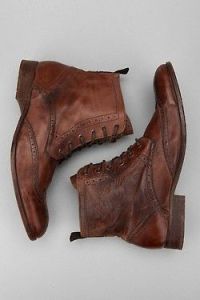
How to Care For and Clean Leather Boots

How to Care For and Clean Leather Boots

When you buy leather goods, and specifically leather boots, you commit to caring for them in the best way. Leather boot care can be slightly intensive, but if you take the time to do it, your boots will last forever. You can care for your leather boots in three steps: cleaning, condition, and polishing.
During the winter months, boots are a huge staple in many people’s wardrobe. They provide warmth and protection from harsh winter climates and add a stylish flair to any outfit. Your winter boots need to withstand the elements for multiple seasons to get as much value as possible out of them. One way to ensure that happens is to clean them regularly. 

Here are a few easy ways to keep your leather boots clean so they will last for several winters.

Cleaning Boots


When cleaning your boots, the first and most important thing to do is to loosen and remove any surface debris. This debris, like dirt and salt, can be harmful to the leather, so if it’s buffed into the boot, you run the risk of ruining your shoe. Once the loose debris is removed, use a horsehair brush to buff the surface of your boot and remove any stubborn substances. It’s recommended that you repeat this step once every other week.
mens leather boots

Next, take a damp rag and swirl it in a pot of a saddle soap until it starts to lather. Test the soap on a small part of the shoe to make sure that it won’t cause a permanent stain. Run the rag across the entire surface of the boot, paying attention to any areas that are stained or need extra scrubbing. Allow that to dry for at least 10 minutes. You don’t have to use saddle soap each time you go to clean your boots, only if you notice that your shoes need a little extra cleaning.

Conditioning Boots


Knowing how to condition leather boots is an essential step when you’re caring for them. Conditioners are useful for moisturizing the leather and keeping the fabric hydrated and soft. Once every 1-3 months, break out your conditioning kit.

When you’re ready to condition your boot, it’s a good idea to, again, test a small spot on the shoe to make sure that the conditioner won’t discolor the leather. Work the conditioner over the boot and add more conditioner as needed. Conditioning may temporarily darken the shoe, but as it dries, the original color will show through.

How to Polish Boots


Once a week, be sure to polish your leather boots to keep them moisturized and shiny throughout the winter. You can use either shoe cream to provide the boot with additional moisture and nourishment or a wax-based polish to give a more pronounced shine. Either way, it’s important to find a polish that matches the color of your boots as closely as possible.

Start with a small amount (a little goes a long way!) and add more polish as needed to produce maximum shine. Another benefit of polishing your leather boots is that the polish creates a barrier between the boot and debris, which keeps them looking fresh for longer. After the polish is dry, give the shoes a brush with the brush you used to shine your boots with to provide them with a final buffing to expose even more shine.

In addition to cleaning your boots when they are already dry, you need to know how to care for your boots when they are wet. You can use a water-resistant spray, but it’s not generally necessary. Depending on the type of leather you get, your boots will naturally be water-resistant, but it’s important to care for wet boots to avoid cracking and fading. 

The good news is that it’s pretty simple to keep them looking pristine after they get drenched – let them air dry! Never set your wet boots directly in the sunlight or by a fire because it could dry your boots too quickly, causing them to crack.


Wednesday, November 21, 2018

New York City Organic Dry Cleaners 10011

New York City Organic Dry Cleaners 10011


If you wish to contact us by e-mail, fax, or phone contact us at:
CASA Organic Dry Cleaners & Custom Tailoring
Chelsea Store

155 West 21st Street, (bet. 6th & 7th Avenue)
New York, New York 10011
212-647-8602 Tel
212-647-8603 Fax
info@casadrycleaners.com


Pick-Up request form click below

Wednesday, November 14, 2018

The Warmest Materials for a Winter Coat

The Warmest Materials for a Winter Coat


During the cold winter months, it’s important to find the perfect winter coat that is equal parts warm, comfortable, and fashionable. But, it can be hard to know which fabrics can tick all of those boxes when the time comes to purchase a coat. Winter coats are meant to last for years, so if you get one that doesn’t satisfy your needs, you might have to shell out even more money to buy a better coat next season. So, what is the warmest material for winter coats? We wanted to help you know how to buy a winter coat, so below are three durable, warm fabrics to look for when you’re out shopping this season. Be sure to review our list of the best top winter-weather coat materials below. Happy shopping!

Best Fabrics or Materials for Winter Coats


Wool
When people think of warm winter coats, one of the first fabrics that go into their minds is wool. Wool is a gorgeous, and incredibly warm fabric that is perfect for the winter months. Wool is lightweight, yet strong, which makes it durable and long-lasting. Wool is a natural fabric, typically gotten from sheep, and creates a natural insulation due to the air pockets that are naturally present throughout. And because it’s a natural fabric, it also naturally water-resistant, so it’s a great option for keeping warm and dry through the snowy weather. All-in-all, it’s one of the best options for both a casual or formal winter coat.

Tweed
e may be cheating a little bit, but tweed is a fabric that had to make it onto the list. Tweed is made out of wool or wool blend and usually comes in naturally-occurring colors. Tweed is also very durable and can come in a variety of options in terms of how heavy it is. Lightweight tweed coats are a good option for more mild fall temperatures while heavyweight tweed coats can withstand even the most frigid of winters. The sky’s the limit for this versatile fabric!

Natural Fur and Faux Fur 
Fur is soft, luxurious, and downright warm. Humans have been wearing fur for millions of years and it has never gone out of fashion for a reason. It is water-resistant and can withstand temperatures well below freezing. Now, fur coats coming in much more flattering silhouettes but there still as durable and warm as ever. They are even available in a faux fur option so you can have the same level of warmth and quality without having to use an animal’s coat and you can often pay less for it.

How to Care for Your Winter Coat 
No matter what fabric you opt to get your winter coat in, it’s imperative to know how to take care of it so it can last for multiple seasons. Most of the time, higher quality materials can only be dry cleaned and it’s important to find a great dry cleaning company that can provide quality services to not just your coat, but all of your garments.

That’s where we come in. Visit Casa Dry Cleaners to get the highest-quality dry cleaning for all of your warm winter coats. We offer environmentally-friendly dry cleaning services that are specifically designed for particular fabrics, so no matter which fabric you choose, it will be cleaned effectively.

We also offer free pickup and delivery from our location in New York City. Schedule your drop-off today! http://www.casadrycleaners.com

Wednesday, November 7, 2018

New York City Dry Cleaning 10011

New York City Dry Cleaning 10011


Ready to feel amazing in your clothes? Pickup and delivery of your dry cleaning & laundry.


We’ll take great care of your clothing, guaranteed. Call us Today 212-647-8602 or visit - http://www.casadrycleaners.com